
When Jaw Pain Isn’t Just Dental: The Overlap Between Dentistry, Sinus Health, and Facial Surgery

Introduction: Why Jaw Pain Can Be Misleading
Jaw pain can be a complex issue that often leads individuals to immediately consult with a dentist. While a dentist for TMJ pain is a logical starting point, it’s essential to recognize that the root cause of jaw discomfort may extend beyond dental issues. Jaw pain’s multifaceted nature means it can be a symptom of more than just dental misalignment or cavities. Understanding this complexity is crucial for obtaining the correct diagnosis and treatment.
The human body’s interconnected systems mean that pain in one area might be linked to issues elsewhere. For instance, jaw pain might originate from sinus congestion, nerve irritation, or even spinal problems. This overlap of symptoms across different health domains can easily mislead both patients and healthcare providers. A singular focus on dental health might not address the full scope of the problem.
Recognizing the potential for misdiagnosis, a comprehensive evaluation that considers various potential causes is essential. Collaborating with specialists from multiple disciplines ensures a thorough assessment of your symptoms. This approach not only addresses immediate discomfort but also helps in preventing future health complications.
Dental Causes: TMJ, Bite Alignment, and Oral Health
When it comes to jaw pain, dental issues are often the first suspect. The temporomandibular joint (TMJ) is a common source of discomfort, and TMJ disorders can arise from a misaligned bite, stress-related teeth grinding, or other oral health concerns. Consulting a dentist for TMJ pain is an important step in identifying and addressing the root cause. Dental professionals can evaluate your bite alignment and check for signs of wear on your teeth that might indicate grinding or clenching.
TMJ disorders may present with symptoms such as jaw stiffness, earaches, and headaches. While these symptoms are frequently linked to dental problems, they can sometimes mimic other medical conditions. This overlap underscores the value of a thorough examination by a qualified dentist, who can determine the specific source of jaw pain and recommend suitable treatments—ranging from a custom mouthguard to orthodontic adjustments or stress management techniques.
Oral health issues such as tooth decay, gum disease, or abscesses can also contribute to jaw discomfort. Regular dental check-ups help identify these problems early, preventing them from escalating into more serious complications. Maintaining good oral hygiene, alongside professional cleanings and evaluations, is essential for managing dental-related jaw pain.
For more comprehensive information on dental care, bite alignment, and TMJ management, resources like the Dental Arts of Cherry Hills website: https://dentalartsofcherryhills.com/ provide detailed insights and guidance on maintaining long-term oral health.
Sinus and Facial Plastic Surgery Connections
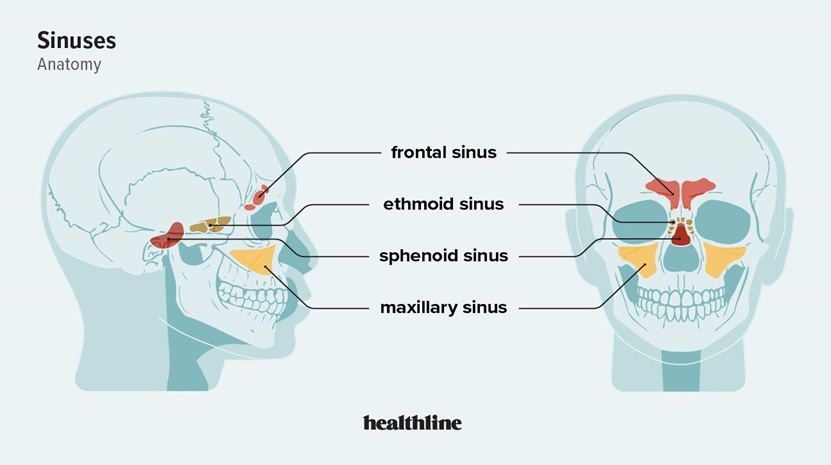
Sinus issues are another common cause of jaw pain. Inflammation or infection in the sinus cavities can create pressure and pain that radiates to the jaw. This is why some individuals mistake sinus-related pain for dental issues. Consulting a rhinoplasty specialist or an ENT (Ear, Nose, and Throat) doctor can help determine if your jaw pain is linked to sinus problems.
A rhinoplasty specialist can evaluate whether structural issues in your nasal passages are contributing to your symptoms. Nasal blockages or deformities that affect sinus drainage can indirectly cause jaw pain. Surgical interventions, like correcting a deviated septum, can alleviate these issues, reducing associated jaw discomfort.
In some cases, facial plastic surgery might be considered to address structural concerns that impact both the sinuses and the jaw. Procedures such as rhinoplasty not only improve breathing but can also enhance facial symmetry, indirectly affecting jaw alignment and reducing pain. Consulting with a specialist ensures that any surgical intervention is both safe and beneficial for your overall health.
When Jaw Pain Involves the Spine or Nerve System
Jaw pain can also be linked to issues with the spine or nervous system. Conditions like cervical spine misalignment or nerve compression can manifest as jaw discomfort. Consulting a skilled spine doctor or a board-certified neurosurgeon can help identify these underlying causes.
The cervical spine’s proximity to the jaw means that any misalignment or tension in the neck can affect jaw function. A skilled spine doctor can assess your posture and spinal health, offering treatments such as physical therapy or chiropractic adjustments to alleviate tension and improve alignment.
Nerve-related issues, such as trigeminal neuralgia, can also cause severe jaw pain. A board-certified neurosurgeon can provide a comprehensive evaluation and recommend advanced treatments, including medication or even surgical options, to manage this condition. Collaborating with these specialists ensures a holistic approach to diagnosing and treating jaw pain.
Collaborative Care for Comprehensive Relief
Given the various potential causes of jaw pain, a multi-disciplinary approach to treatment is often the most effective. Collaboration between dentists, rhinoplasty specialists, spine doctors, and neurosurgeons can provide a comprehensive solution to your symptoms. By addressing all possible contributing factors, this team-based approach ensures that no underlying issue is overlooked.
Coordinated care allows for a seamless transition between different treatments. For example, a dentist might address dental misalignment while a skilled spine doctor works on improving your posture. This collaborative effort not only targets the immediate source of pain but also promotes long-term health and well-being.
Effective communication between healthcare providers and patients is crucial in this process. By keeping all parties informed and involved in the treatment plan, you can ensure that each specialist’s expertise is utilized to its fullest extent, leading to a more successful outcome.
Conclusion: The Value of Multi-Specialty Evaluation
Jaw pain, facial pressure, and headaches are not always dental problems alone. TMJ disorders may involve dental misalignment, sinus health, or even nerve and spine conditions. Collaboration between dentists, facial plastic surgeons, and neurosurgeons helps patients get the right diagnosis and effective care.
The value of a multi-specialty evaluation lies in its ability to provide a comprehensive view of your health. By considering all potential causes of jaw pain, this approach minimizes the risk of misdiagnosis and ensures that you receive the most appropriate treatment. Whether your pain stems from dental issues, sinus problems, or nerve-related conditions, a team of specialists can work together to address your needs.
If you’re experiencing persistent jaw pain, consider seeking a multi-disciplinary evaluation. This collaborative approach not only offers relief from discomfort but also enhances your overall quality of life. By addressing the root cause of your symptoms, you can achieve lasting health improvements and prevent future complications.

Comments are closed.