

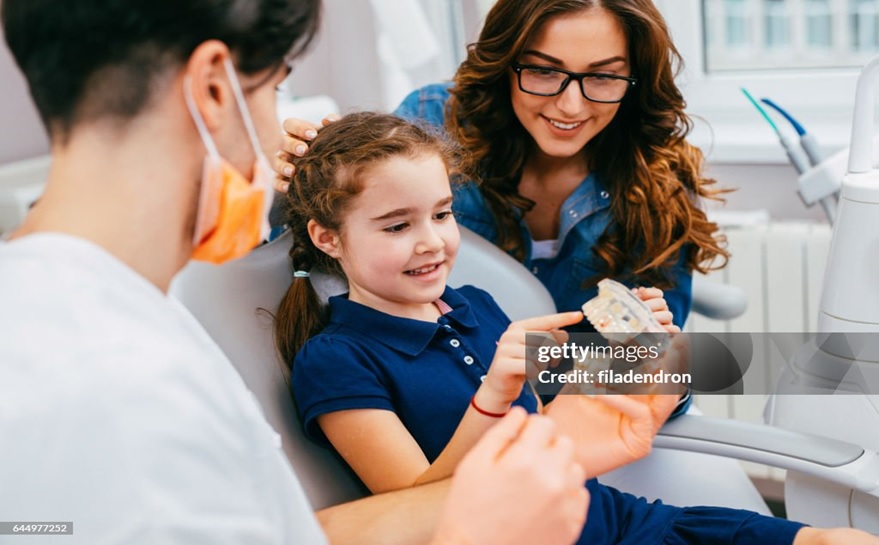
Why Dental Care Is a Family Priority
In today’s fast-paced world, maintaining good oral health often takes a back seat. However, dental care is crucial not just for individual well-being but for the entire family’s health. Prioritizing dental hygiene can prevent numerous health complications and foster a culture of health consciousness within the family unit. A family dentist plays a pivotal role in this journey, acting as a guide to help you and your loved ones establish and maintain healthy oral habits.
Family dental care is not just about visiting the dentist when a problem arises. It involves a proactive approach that includes regular check-ups, preventive measures, and education about oral health. By making dental care a priority, you can reduce the risk of cavities, gum disease, and other dental issues that can lead to more severe health concerns. This proactive approach ensures that every family member, from the youngest to the oldest, enjoys optimal dental health.
Moreover, family dental care sets a foundation for lifelong healthy habits. When children see their parents prioritizing dental appointments and maintaining good oral hygiene, they are more likely to adopt these practices themselves. This culture of health extends beyond the dentist’s chair, influencing dietary choices, daily routines, and overall wellness.
Building Oral Health Habits Early in Childhood
Children are like sponges, absorbing the behaviors and habits of those around them. Establishing oral health habits early in childhood can significantly impact their long-term dental and overall health. A family dentist can provide guidance on how to introduce these practices in a way that is both educational and fun for children.
- Start Early: Begin oral care even before the first tooth emerges. Wipe your baby’s gums with a soft, damp cloth to remove bacteria and establish a routine.
- Make Brushing Fun: Use toothbrushes with favorite cartoon characters or play a song during brushing time. Engaging children with interactive elements can make brushing an enjoyable activity rather than a chore.
- Educate About Sugar: Teach children about the effects of sugar on their teeth. Encourage them to make healthier snack choices, explaining how fruits and vegetables can be as delicious as sugary treats.
Creating a routine that includes regular dental visits is also essential. Early exposure to the dentist helps in reducing anxiety and fear, making children comfortable with dental procedures. A family dentist can offer personalized advice and age-appropriate techniques to ensure that your child’s teeth and gums develop healthily.
Role of the Family Dentist in Preventive Care
A family dentist is not just a healthcare provider but a partner in building lifelong oral health. Their role extends beyond treating dental issues; they focus on prevention, education, and fostering a positive attitude towards dental care.
Preventive Services Offered by Family Dentists:
- Regular Check-ups: Routine visits help in early detection of potential problems, ensuring timely intervention before they escalate.
- Professional Cleanings: These cleanings remove plaque and tartar that regular brushing cannot eliminate, preventing cavities and gum disease.
- Fluoride Treatments and Sealants: These treatments fortify teeth against decay, offering an additional layer of protection for young and old alike.
Family dentists also emphasize the importance of consistent oral hygiene practices at home. They provide guidance tailored to each family member, considering factors like age, diet, and specific dental concerns. By establishing a relationship with a family dentist, you create a support system that encourages healthy habits, making dental care a natural part of everyday life.
Emergency Dental Services and Why Families Should Prepare
Despite the best preventive measures, dental emergencies can occur. Having access to an emergency dentist is crucial for immediate care, preventing further complications, and alleviating pain. A well-prepared family knows how to handle these situations efficiently.
Common Dental Emergencies:
- Toothaches: Persistent pain can indicate an underlying issue that requires urgent attention.
- Knocked-out Teeth: Quick action can sometimes save the tooth. Place it in milk and visit an emergency dentist immediately.
- Chipped or Broken Teeth: These incidents often require prompt repair to preserve the tooth’s functionality and aesthetics.
Preparing for dental emergencies involves having a plan in place. Keep your family dentist’s contact information readily available, and ensure that everyone knows what to do in case of an emergency. Educating family members about basic first-aid measures can also prevent panic and ensure that appropriate steps are taken swiftly.
Supporting Parents: The Connection Between Oral Health and Early Family Habits
Parents play a pivotal role in shaping their children’s health habits, and oral health is no exception. Understanding the connection between oral health and overall wellness can motivate parents to prioritize dental care as part of their family’s routine.
Firstly, oral health is closely linked to systemic health. Conditions such as diabetes and heart disease have been associated with poor oral hygiene. Educating yourself and your family about these connections can highlight the importance of maintaining good oral health.
Secondly, parents can model positive behaviors by:
- Practicing Good Oral Hygiene: Regular brushing and flossing set a powerful example for children.
- Scheduling Regular Dental Visits: Show your children that visiting the dentist is a normal and necessary part of life, not something to be feared.
- Making Healthy Dietary Choices: A diet low in sugar and high in nutrients supports both dental and overall health.
By integrating these practices into your family’s daily routine, you create a holistic approach to health that benefits all members. The support of a family dentist is invaluable in this journey, offering advice tailored to your unique family dynamics.
Lactation Support as a Parallel to Healthy Foundations in Families
Lactation support and oral health may seem unrelated, but both are essential to a child’s early development. Just as breastfeeding provides nutrition and immunity, establishing good oral health practices offers protection and promotes growth. Together, these foundations help shape long-term wellness for children and families.
Breastfeeding has been shown to support proper jaw development and improve the alignment of teeth. Family dentists can work alongside lactation consultants to provide guidance on how breastfeeding influences oral health. Access to expert lactation support ensures that parents not only meet nutritional goals but also contribute to their child’s dental and physical development.
The act of breastfeeding can also be seen as a parallel to establishing other healthy habits. Just as parents learn techniques and seek guidance to succeed in breastfeeding, they can take the same approach to teaching oral hygiene. According to Corporate Lactation Services, early lactation support empowers parents with confidence and knowledge that strengthens both maternal and infant health. For more information about their programs and resources for working families, visit https://corporatelactation.com/.
Closing: Making Dental Care a Shared Family Routine
As you navigate the journey of family dental care, remember that it is a collaborative effort. By working together with your family dentist, you can build a routine that supports the health and well-being of everyone in your household. From childhood to adulthood, maintaining good oral hygiene is a crucial component of overall health.
Key Takeaways for Family Dental Care:
- Prioritize Prevention: Regular visits to your family dentist can prevent many dental issues.
- Educate and Engage: Teach children about the importance of oral health in fun and engaging ways.
- Prepare for Emergencies: Have a plan in place for dental emergencies to ensure swift action.
Embrace dental care as a shared family responsibility. Just as you support each other in various aspects of life, support each other in maintaining oral health. By doing so, you not only protect your teeth but also strengthen the bonds within your family.
Make preventive family dental care a cornerstone of your family’s health strategy. Collaborate with your family and general dentists to cultivate lifelong oral habits, preparing for any urgent needs with emergency dental care. Recognize the connection between parenting, lactation support, and early wellness to build a healthier future for your family.

Comments are closed.