

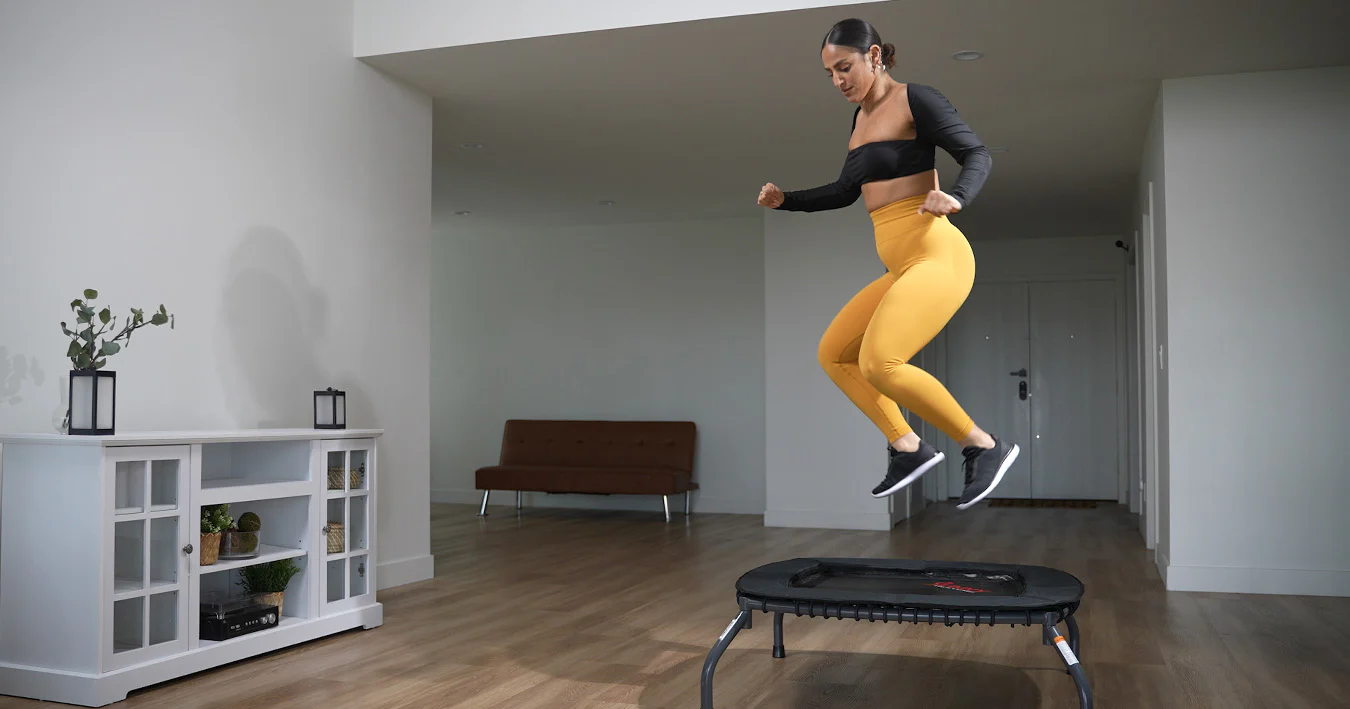
Cortisol has a complicated reputation. It is essential for waking you up in the morning, managing inflammation, and fuelling your response to acute stress. But when it stays elevated for extended periods, it becomes a driver of fat storage, disrupted sleep, reduced immunity, and accelerated ageing. For desk workers in Singapore who spend eight to ten hours seated, staring at screens under deadline pressure, chronic cortisol elevation is not an occasional problem. It is a daily physiological reality. What makes trampoline class singapore workouts particularly relevant for this population is the specific hormonal response that bounce-based exercise produces compared to other training formats.
Why Desk Work Chronically Elevates Cortisol
The stress response was designed for short-duration physical threats. Your cortisol spikes, you fight or flee, the threat passes, and the hormone clears from your system. Modern office environments trigger the stress response repeatedly throughout the day through emails, deadlines, difficult conversations, and screen fatigue, but there is no physical discharge of the stress energy.
This means cortisol accumulates without the clearance mechanism that physical movement provides. Over weeks and months, the result is a baseline cortisol level that never fully drops, even during rest. This state is associated with:
- Central adiposity, particularly abdominal fat accumulation
- Disrupted sleep architecture, especially reduced deep sleep stages
- Impaired glucose regulation and increased carbohydrate cravings
- Suppressed immune function and slower wound healing
- Reduced cognitive clarity and working memory performance
How Exercise Type Affects Cortisol Differently
Not all exercise lowers cortisol. This is a critical point that many desk workers get wrong. High-intensity exercise performed at maximum effort, particularly long-duration endurance training like running 10 to 15 kilometres at race pace, actually spikes cortisol significantly during the session and can keep it elevated for hours afterward.
For someone already carrying a high chronic stress load, adding intense endurance training without adequate recovery can worsen cortisol dysregulation rather than improve it.
The exercise sweet spot for cortisol management sits in the moderate-intensity zone: rhythmic, enjoyable, and physically engaging without pushing into the cortisol-spiking range. Trampoline training occupies this zone naturally for most participants.
The Rhythmic Movement Effect on the Stress Hormone
Rhythmic, repetitive physical movement has a well-documented calming effect on the nervous system. This is why rocking, swaying, and walking are instinctively soothing. The rhythm activates the parasympathetic nervous system, which directly counters the cortisol-producing sympathetic stress response.
Bouncing on a trampoline is inherently rhythmic. The up-down cycle, when performed at a moderate pace, synchronises with the body’s natural movement rhythms and progressively shifts the nervous system toward a calmer state. Many participants report feeling mentally clearer and less tense within the first ten minutes of a session, before any significant cardiovascular work has been completed.
This early parasympathetic shift is significant because it means the cortisol-lowering effect begins almost immediately rather than only after extended exertion.
Endorphin and Serotonin Release During Bounce Training
Beyond cortisol regulation, trampoline training triggers meaningful releases of endorphins and serotonin. These neurochemicals are responsible for mood elevation, reduced pain perception, and the post-exercise sense of calm that many regular exercisers describe.
The playful, dynamic nature of bounce training appears to enhance this neurochemical response compared to more monotonous forms of exercise. Research in exercise psychology suggests that enjoyment of the activity significantly amplifies the mood-related neurochemical benefits. When training feels like play rather than punishment, the brain’s reward circuitry responds more generously.
For desk workers who have developed an aversion to traditional gym training, the accessible and engaging nature of a trampoline session often produces stronger psychological benefits than equivalent time on a treadmill or stationary bike.
Cortisol Timing and the Best Window for Desk Workers to Train
Cortisol follows a natural daily rhythm called the cortisol awakening response. It peaks sharply within 30 to 45 minutes of waking and then gradually declines through the day. For desk workers, a second cortisol peak often occurs in the mid-afternoon due to accumulating work stress.
Training immediately after work, between 5pm and 7pm, aligns well with the body’s natural cortisol decline curve. A moderate-intensity trampoline session during this window accelerates the afternoon cortisol clearance, making it easier to wind down, eat without stress-driven cravings, and enter deeper sleep stages at night.
Training very late in the evening, after 8pm, can delay melatonin release and disrupt sleep onset, so timing matters as much as the type of exercise chosen.
The Sleep Recovery Connection
Cortisol and sleep have a bidirectional relationship. Elevated cortisol disrupts sleep, and poor sleep elevates cortisol the following day. Breaking this cycle requires an intervention that addresses both sides simultaneously.
Regular trampoline class singapore sessions, particularly when scheduled in the late afternoon or early evening, have been reported by participants to improve sleep onset and sleep quality noticeably within two to three weeks. The combination of physical fatigue, neurochemical reset, and cortisol clearance creates conditions that favour deep, restorative sleep.
Better sleep then feeds back into lower baseline cortisol the next day, gradually unwinding the chronic stress cycle that desk work creates.
What a Sustainable Routine Looks Like for Office Workers
Consistency matters more than intensity when cortisol regulation is the goal. Three moderate-duration sessions per week are more effective for hormonal balance than one or two gruelling workouts.
A practical structure for desk workers might include:
- Two to three trampoline sessions of 45 to 60 minutes per week
- Sessions scheduled in the late afternoon or early evening where possible
- Pairing sessions with a brief cool-down or stretching period to reinforce the parasympathetic shift
- Avoiding caffeine within four hours of a session to prevent cortisol compounding
The barrier to consistency is also lower with bounce training than with many other formats because the sessions are engaging enough that participants are less likely to talk themselves out of attending after a draining workday.
TFX Singapore offers trampoline sessions structured around real-world schedules, making it practical for working professionals to build consistent training habits without requiring a complete lifestyle overhaul.
FAQs
Q: Can someone with adrenal fatigue safely do trampoline training? A: Adrenal fatigue, or HPA axis dysregulation, requires careful management of exercise intensity. Gentle rebounding at a low to moderate pace is generally considered safe and may support recovery, but individuals should consult their doctor before starting and avoid pushing into high-intensity output until their baseline energy improves.
Q: Does the social environment of a group trampoline class affect cortisol differently than solo training? A: Yes. Group exercise has been shown in research to lower cortisol more effectively than solo training at the same intensity. The social bonding hormones released during group activity, particularly oxytocin, directly counteract cortisol production. This gives group trampoline classes an additional hormonal advantage over solo gym sessions.
Q: How many weeks of consistent trampoline training before cortisol levels noticeably normalise? A: Most individuals with moderate cortisol dysregulation begin noticing improvements in sleep quality and energy stability within three to four weeks of consistent twice-weekly training. Full hormonal recalibration, particularly for those with long-term stress accumulation, typically takes two to three months of regular practice.
Q: Is there a dietary change that amplifies the cortisol-lowering effect of trampoline training? A: Reducing refined sugar and ultra-processed carbohydrate intake significantly supports cortisol regulation alongside exercise. Blood sugar spikes trigger cortisol release independently of psychological stress, so stabilising blood sugar through whole food choices compounds the hormonal benefits of regular bounce training.

Comments are closed.