

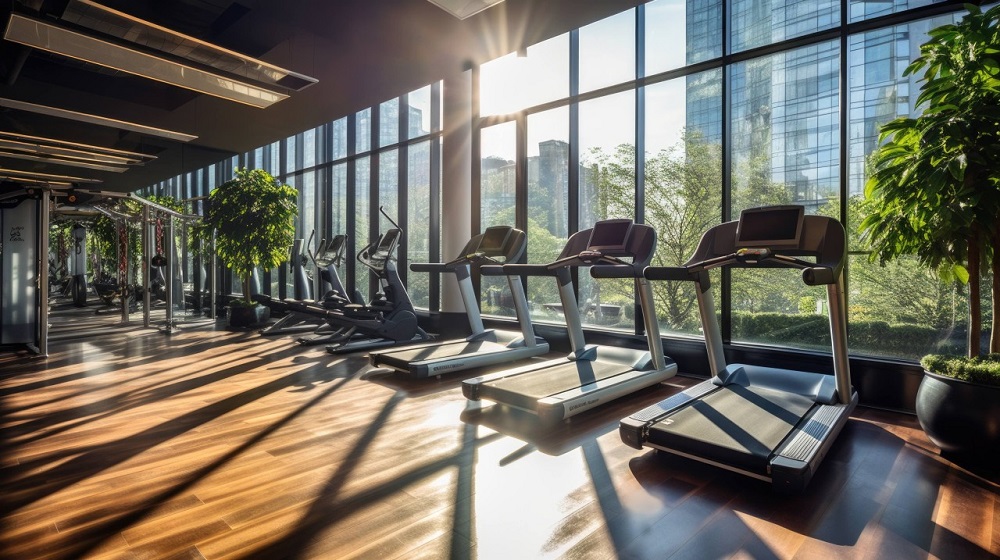
For decades, the local fitness center was viewed simply as a room filled with heavy iron weights, a few rudimentary stationary bicycles, and locker rooms. Today, the modern gym has evolved into a sophisticated wellness ecosystem. It serves as a social hub, a mental sanctuary, and a place where advanced exercise science meets human community. Whether you are stepping into a facility for the very first time or re-evaluating your current health routine, understanding the dynamics of the modern gym is essential for maximizing your personal investment in your health.
Choosing to join a fitness facility is a major milestone in a personal health journey. However, the sheer variety of options available can feel overwhelming. Selecting the right environment, understanding proper gym etiquette, and learning how to utilize the distinct zones of a facility can mean the difference between building a lifelong habit and abandoning your membership within the first month.
Decoding the Different Types of Gym Facilities
The commercial fitness industry has diversified enormously to accommodate different budgets, goals, and training philosophies. Before signing a membership contract, it is highly beneficial to understand the distinct categories of facilities available in the marketplace today.
Big Box Commercial Gyms
These are the most common facilities you will encounter. They offer a massive footprint that attempts to provide a little bit of everything to everyone. You will typically find extensive rows of cardiovascular equipment, dedicated free-weight areas, selectorized machine circuits, group fitness studios, and often amenities like pools, saunas, and childcare. They operate on a high-volume model, making their monthly membership fees relatively affordable, though they can become exceptionally crowded during peak post-work hours.
Specialized Boutique Studios
Boutique studios reject the all-in-one model to focus intensely on a single modality of fitness. These spaces specialize in disciplines like indoor cycling, hot yoga, Pilates, barre, or high-intensity interval training. While the per-class cost or monthly membership is significantly higher than a traditional gym, members pay a premium for small class sizes, highly specialized instructors, a tight-knit community feel, and an immersive, curated aesthetic environment.
Functional Fitness and Strength Warehouses
Often housed in industrial spaces, these gyms prioritize utility over luxury. They are heavily populated by Olympic lifting platforms, squat racks, bumper plates, kettlebells, rowing machines, and open turf areas for sled pushes. These facilities cater heavily to powerlifters, weightlifters, and functional fitness enthusiasts. The culture in these spaces tends to be highly encouraging and performance-oriented, focusing on what the human body can do rather than just how it looks.
24-Hour Express Clubs
Designed specifically for convenience, these mid-sized facilities strip away luxury amenities like steam rooms or juice bars to provide round-the-clock access to essential workout equipment. Members utilize a keycard or smartphone app to enter the building at any hour of the day or night. These clubs are perfect for shift workers, busy parents, or individuals who prefer to exercise during unconventional hours without dealing with crowds.
Understanding Gym Anatomy and Training Zones
Walking into a large fitness facility without a clear plan can induce immediate gym anxiety. To navigate the floor efficiently, it helps to conceptualize the gym as a map split into distinct training zones, each designed to elicit a specific physiological adaptation.
-
The Resistance Machine Circuit: This area features machines with weight stacks held in place by magnetic pins. These machines guide your body through a fixed path of motion, making them exceptionally safe and highly effective for beginners learning basic movement patterns or individuals targeting specific muscle groups in isolation.
-
The Free Weight Section: This zone contains dumbbells, barbells, adjustable benches, and power racks. Because free weights do not constrain your movement to a fixed track, your stabilizing muscles and core must work continuously to balance the load, making these movements highly functional for building real-world strength.
-
The Cardiovascular Deck: Home to treadmills, elliptical trainers, stationary upright bikes, stair climbers, and indoor rowers. This zone is designed to elevate your heart rate, improve your aerobic capacity, and enhance your overall cardiovascular stamina.
-
The Functional Training Zone: Usually designated by rubber flooring or artificial turf, this area is stocked with non-traditional training tools such as medicine balls, battle ropes, suspension trainers, sandbags, and plyometric boxes to build agility, balance, and core power.
The Unwritten Rules of Gym Etiquette
A gym is a shared community space where dozens of individuals are pursuing deeply personal goals simultaneously. To maintain a safe, welcoming, and hygienic environment, every member must adhere to a collection of unwritten behavioral rules.
Rerack your weights. This is the foundational rule of gym behavior. Leaving heavy plates on a barbell or scattered dumbbells on the floor forces the next person to clean up after you, and it presents a significant tripping hazard on the gym floor. Always return every piece of equipment to its designated storage rack immediately after finishing your set.
Wipe down your equipment. Physical exertion naturally results in sweat. Modern facilities provide spray bottles filled with disinfectant solution and paper towels or specialized sanitizing wipes throughout the training floor. It is your responsibility to thoroughly clean every surface your body touches, including machine seats, handles, electronic consoles, and yoga mats.
Avoid hogging equipment. During peak hours, gym real estate is incredibly valuable. Avoid sitting on a machine while scrolling through social media between your exercise sets. If someone asks to work in, it means sharing the machine by alternating sets while the other person rests, which is standard, polite practice.
Frequently Asked Questions
What is the ideal time of day to visit the gym to avoid large crowds?
Most commercial fitness facilities experience their highest volume of traffic during peak hours, which generally fall between 6:00 AM to 8:30 AM and 5:00 PM to 7:30 PM on weekdays. If you prefer a quiet environment with maximum equipment availability, the best times to visit are mid-morning from 10:00 AM to 1:00 PM or late evening after 8:30 PM.
How do I know if I should hire a personal trainer or follow a solo routine?
Hiring a personal trainer is highly recommended if you are a complete beginner who is unfamiliar with proper lifting mechanics, if you are recovering from an injury, or if you have hit a prolonged progress plateau. A trainer provides customized programming, real-time form correction, and accountability. If you are highly self-motivated and already possess a strong grasp of exercise safety, an independent routine may suffice.
What is the difference between a gym membership initiation fee and a monthly fee?
An initiation fee is a one-time upfront administrative charge levied when you first open a fitness membership account, covering processing, keycard creation, and account setup. The monthly fee is the recurring subscription cost billed every month to maintain active access to the facility and its baseline amenities.
Is it normal to feel intimidated by the gym environment and how can I overcome it?
Gym anxiety, often called gymtimidation, is incredibly common and experienced by beginners and veterans alike. You can overcome this feeling by wearing comfortable clothing, preparing a specific workout plan on your phone before you arrive, bringing a pair of headphones to focus your attention, and remembering that the vast majority of gym-goers are completely focused on their own workouts rather than judging you.
What safety features should I look for when exploring a new fitness facility?
A high-quality gym should feature readily accessible automated external defibrillators, clearly marked emergency exits, visible first aid stations, and staff members who are certified in cardiopulmonary resuscitation. Additionally, look for clips and collars for barbells in the free weight area, functional safety bars on squat racks, and clear walkways free of stray equipment.
Are children allowed in commercial gyms and what are the typical age restrictions?
Age policies vary by facility, but most commercial clubs do not permit children under the age of 12 or 13 on the main exercise floor for safety and liability reasons. Teens between 13 and 17 are frequently allowed to use the equipment provided they are accompanied by a parent or legal guardian, or have a signed waiver on file. Many family-oriented clubs provide specialized, supervised childcare rooms for younger children.
How do I properly cancel a gym contract without facing unexpected fees?
To cancel a contract legally and smoothly, you must meticulously review the cancellation clause within your original membership agreement. Most facilities require a written notice submitted either in person via a physical form or via certified mail, typically 30 days before your next billing cycle. Ensure you obtain a written confirmation receipt of your cancellation request to avoid unauthorized future charges.

Comments are closed.